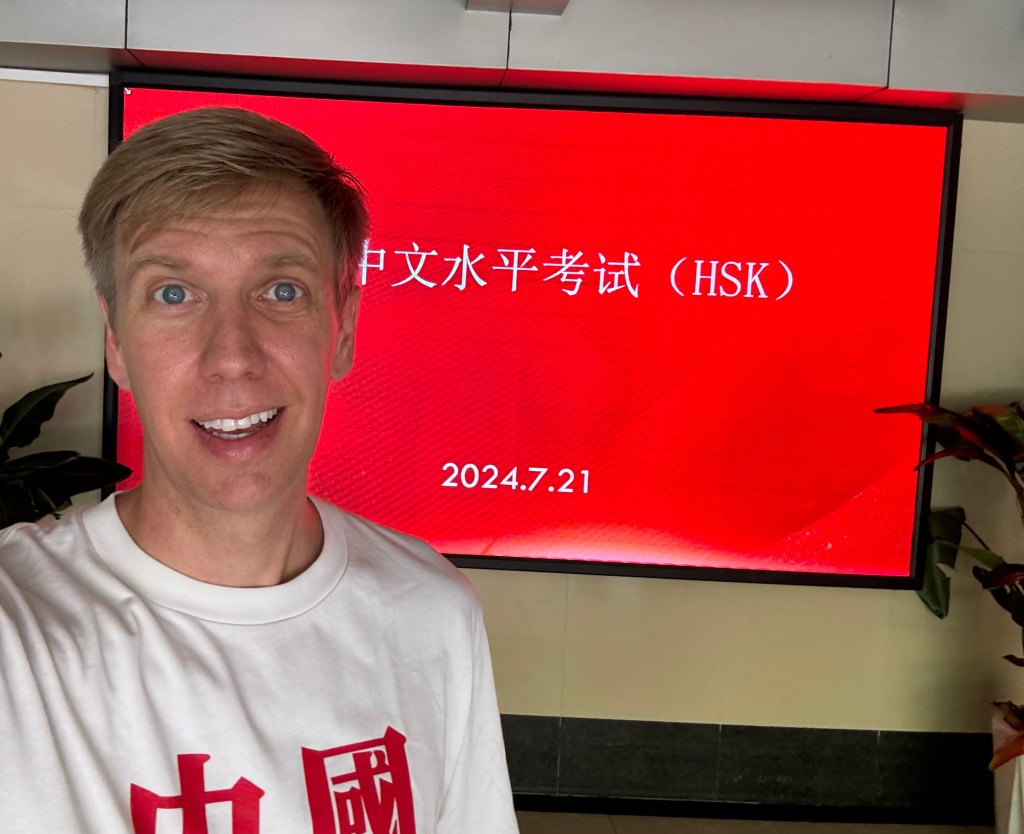
The HSK test is a valuable tool for anyone learning Chinese, and in this video, I break down what it is and how it can help you. The HSK, which stands for Hanyu Shuiping Kaoshi, is the official test used by the Chinese government to assess the Chinese language proficiency of non-native speakers. It consists of six levels (with a nine-level version introduced but not widely adopted) that measure your proficiency in vocabulary, grammar, and comprehension. The test serves as a benchmark similar to the IELTS or TOEFL for English learners, offering a way to gauge your progress and track your skill level.
One of the key benefits of the HSK is its standardized vocabulary lists, which are incredibly useful for structuring your study plan. Each level builds upon the previous one, starting with 150 words in HSK1 and doubling with each level, providing a clear progression path. These lists are great for coordinating your learning across various tools, such as apps, tutors, and language exchange partners. For instance, if you’re at the HSK3 level, you can focus on studying its vocabulary while also practicing conversational topics like travel or food. This structured approach not only helps you stay on track but also gives you tangible milestones to measure your improvement.
While you don’t need to take the official HSK test to benefit from its framework, it can be an excellent motivator and a credential to showcase your skills. Free online tools and even AI platforms like ChatGPT can help you test your level informally. For those planning to take the official test, I recommend waiting until you’re confident at HSK3 or higher, as lower-level certifications might not hold much practical value. Achieving HSK3 allows for basic conversations, while HSK5 and HSK6 can open doors to advanced opportunities like studying at a Chinese university.
For me, the HSK has been an essential part of my learning process, providing a structured way to track progress across apps and resources. Learning a language can sometimes feel slow and overwhelming, but tools like the HSK help you see measurable progress, keeping you motivated. If you’ve taken the HSK or have questions about it, I’d love to hear your thoughts. Leave a comment below, and stay tuned for more tips on making the most of your Chinese study journey.


 Mandarin Study Blueprint
Leave a comment