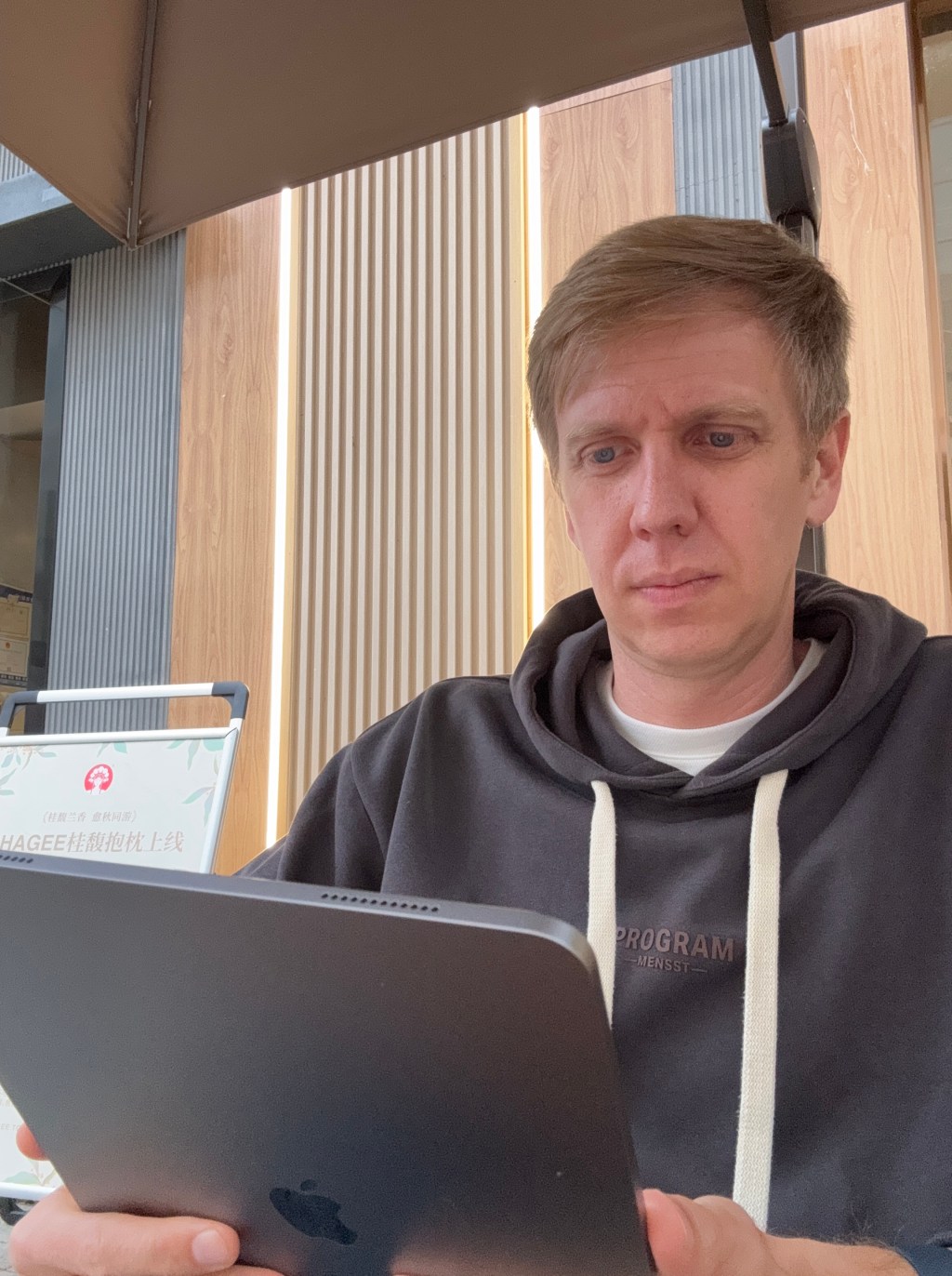
When I first started learning Chinese as an American, I quickly realized one thing: native speakers, while incredibly helpful, often make terrible teachers. Their language skills are intuitive and deeply ingrained, which means they rarely think about grammar rules or how to explain basic vocabulary. This left me frustrated, as I craved practical ways to apply what I was learning. But then I stumbled upon a solution: combining self-study on Duolingo with structured practice sessions with native speakers. This approach transformed my Chinese learning journey and can do the same for you.
The beauty of Duolingo is its ability to teach you the building blocks of Chinese in a structured, step-by-step way. Its bite-sized lessons cover vocabulary, grammar, and pronunciation, allowing you to progress at your own pace. But as useful as the app is, it lacks one crucial component: real-life application. This is where native speakers come in. I found that by sharing the topics I was studying on Duolingo with my language exchange partner, we could build conversations around the same vocabulary and grammar I had just learned. This helped me bridge the gap between theory and practice, making the language stick in a way that only speaking with a native could achieve.
The trick, though, is to use native speakers wisely. Simply chatting with them, without any structure, often leads to confusion and overwhelm, especially for beginners. Most native speakers don’t know how to adapt their language for learners, and conversations can quickly derail into unfamiliar territory. That’s why I started setting a clear framework for our interactions. For example, if I was learning about food vocabulary on Duolingo, I would tell my partner, “Let’s talk about ordering food in a restaurant.” This gave our sessions focus and ensured I was practicing the material I had just studied.
Over time, I noticed significant improvements in both my confidence and fluency. Duolingo laid the foundation, and practicing with a native speaker allowed me to cement what I had learned. It also gave me insights into cultural nuances that an app could never teach, like how to politely decline a drink or order specific dishes at a Chinese restaurant. This hybrid approach saved me countless hours of frustration and provided me with the real-world skills I needed to communicate effectively.
If you’re learning Chinese and want to speed up your progress, I highly recommend trying this method. Find a native speaker, whether through a language exchange app or a tutor, and share your learning goals with them. Use Duolingo as your guide to structure the conversation and keep things focused. Not only will you get more out of your self-study sessions, but you’ll also build confidence in using the language in real-life scenarios. It’s a simple, practical approach that combines the best of technology and human interaction—perfect for any Chinese learner looking to level up.
用Duolingo和母语者提升你的中文学习
当我作为一个美国人开始学习中文时,我很快发现了一件事:母语者虽然非常有帮助,但通常不是很好的老师。他们的语言能力是直观的、根深蒂固的,这意味着他们很少会思考语法规则或如何解释基础词汇。这让我感到很沮丧,因为我渴望找到一种实用的方法来应用我学到的内容。然而,我偶然找到了一个解决方案:将Duolingo的自学与和母语者的结构化练习结合起来。这种方法彻底改变了我的中文学习旅程,也可以为你带来同样的效果。
Duolingo的美妙之处在于它能以循序渐进的方式教你中文的基础。它的短小课程涵盖了词汇、语法和发音,让你可以按照自己的节奏学习。然而,这个应用虽好,却缺少一个关键元素:真实生活中的应用。这时,母语者的作用就显现出来了。我发现,当我将自己在Duolingo上学习的主题告诉我的语言交流伙伴时,我们可以围绕这些词汇和语法展开对话。这帮助我在理论和实践之间架起了一座桥梁,让语言能够以一种只有和母语者交流才能实现的方式深深扎根。
诀窍在于如何明智地使用母语者。如果只是随意地和他们聊天,而没有任何结构性安排,尤其是对于初学者来说,往往会感到困惑和不知所措。大多数母语者并不知道如何为学习者调整语言,聊天也很容易跑题到不熟悉的领域。这就是为什么我开始为我们的对话设定清晰的框架。例如,如果我正在学习Duolingo的食物主题,我会告诉我的伙伴:“我们来聊聊在餐馆点菜吧。” 这样可以让我们的对话有明确的方向,并确保我能练习刚学到的内容。
随着时间的推移,我注意到我的自信心和流利程度都有了显著提高。Duolingo打下了基础,而和母语者的练习让我能够巩固所学的内容。这也让我了解了许多应用程序永远无法教给我的文化细节,比如如何礼貌地拒绝一杯酒,或者在中餐馆点具体的菜肴。这种混合方法为我节省了无数的时间,也让我掌握了在现实中有效沟通所需的技能。
如果你正在学习中文,并想加快你的进步,我强烈建议你试试这种方法。找到一位母语者,无论是通过语言交换应用还是老师,并向他们分享你的学习目标。以Duolingo为指南来结构化对话并保持专注。这样不仅可以让你的自学课程更有效,还能让你在真实场景中使用语言时更加自信。这是一种结合了技术和人际互动优点的简单实用的方法,非常适合任何想要提升的中文学习者。

 Mandarin Study Blueprint
Leave a comment